
Red-haired, six feet tall and with a smile as broad as a Texas sunrise, Molly Ivins couldn’t help but stand out wherever she appeared. But it was her masterful writing – brash, witty, trenchant – that made her one of the best and most-loved journalists of her generation.
 For 25 years until her death from breast cancer in 2007, Molly turned out columns that pestered the powerful and defended the downtrodden – and she did it with a folksy sense of humor that invariably softened her insults without blunting their point.
“Raise more hell,” she often wrote in signing her seven books, most of which – including the first one, Molly Ivins Can’t Say That, Can She? – became bestsellers.
Molly was a frequent guest on television talk shows, and her twice-a-week commentaries were syndicated in more than 300 newspapers, giving her a national audience in the millions. Lou Dubose, her colleague and collaborator on her last book, Bill of Wrongs: The Executive Branch’s Assault on America’s Fundamental Rights, liked to say that she didn’t have a readership so much as a “constituency.”
Two of Molly’s commentaries from the NewsHour on PBS
Art in Texas
Texas Oil Boom and Bust
Reading her work, “you didn’t feel browbeaten or lectured to,” said the Texas Observer, the liberal biweekly news magazine that Molly co-edited in the 1970s. “You felt invigorated, empowered, and highly entertained.”
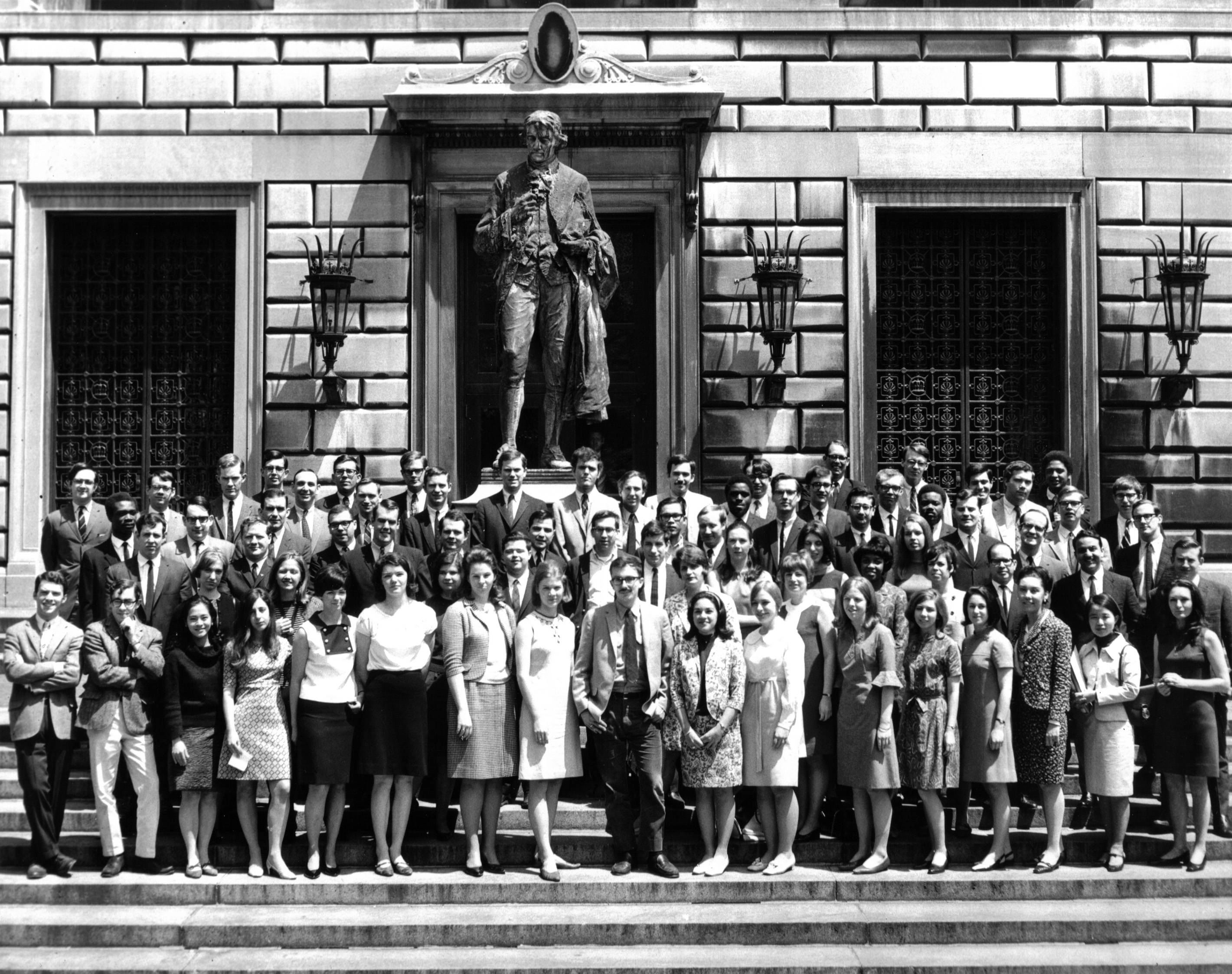
 Born in 1944, the daughter of a conservative Texas oil executive, Mary Tyler Ivins graduated from Smith College (as had both her mother and grandmother), spent a year studying in France and interned for two summers at the Houston Chronicle before enrolling at Columbia in 1966. Her Master’s degree in hand, she embarked on her journalistic career as a police reporter for the Minneapolis Tribune, then moved on after three years to become co-editor of the Texas Observer, where she truly found her voice.
Gaining a reputation through magazine articles and other work, she was eventually lured away by The New York Times, and covered the West as its Rocky Mountain bureau chief in Denver in the late 1970s. But Molly’s exuberant style didn’t sit well with the staid newspaper of record, and, after a stint on the city desk in New York, she returned to Texas, finding a home on the op-ed page of the Fort Worth Star-Telegram, which carried her award-winning dispatches from Austin for years.
Smart and sassy, colorful and profane, Molly was regarded by many of her admirers as a modern-day counterpart to Mark Twain or Will Rogers. Certainly she was their equal when it came to one-liners. As she put it when asked early on if Barack Obama should be a candidate for president, “Yes, he should run. He’s the only Democrat with any Elvis to him.”
________________________________________
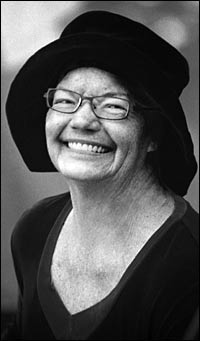
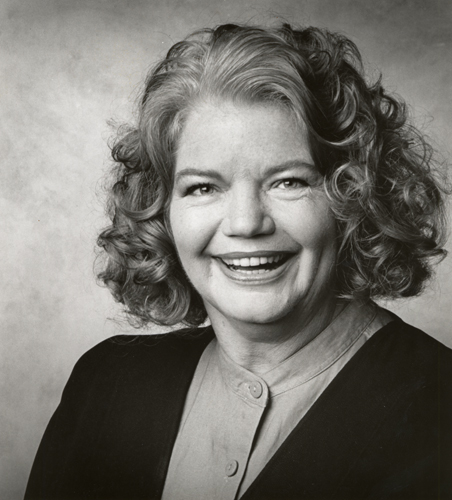
Photos: top, Molly Ivins 1975; bottom, Molly Ivins 2006
credit: Alan Pogue
documentaryphotographs.com
 Mollyscholars